Guides
How to measure a room and work out what to buy for it, in plain words with worked examples. Each guide says what it does not cover, and ends at the tool that does the sum for you.
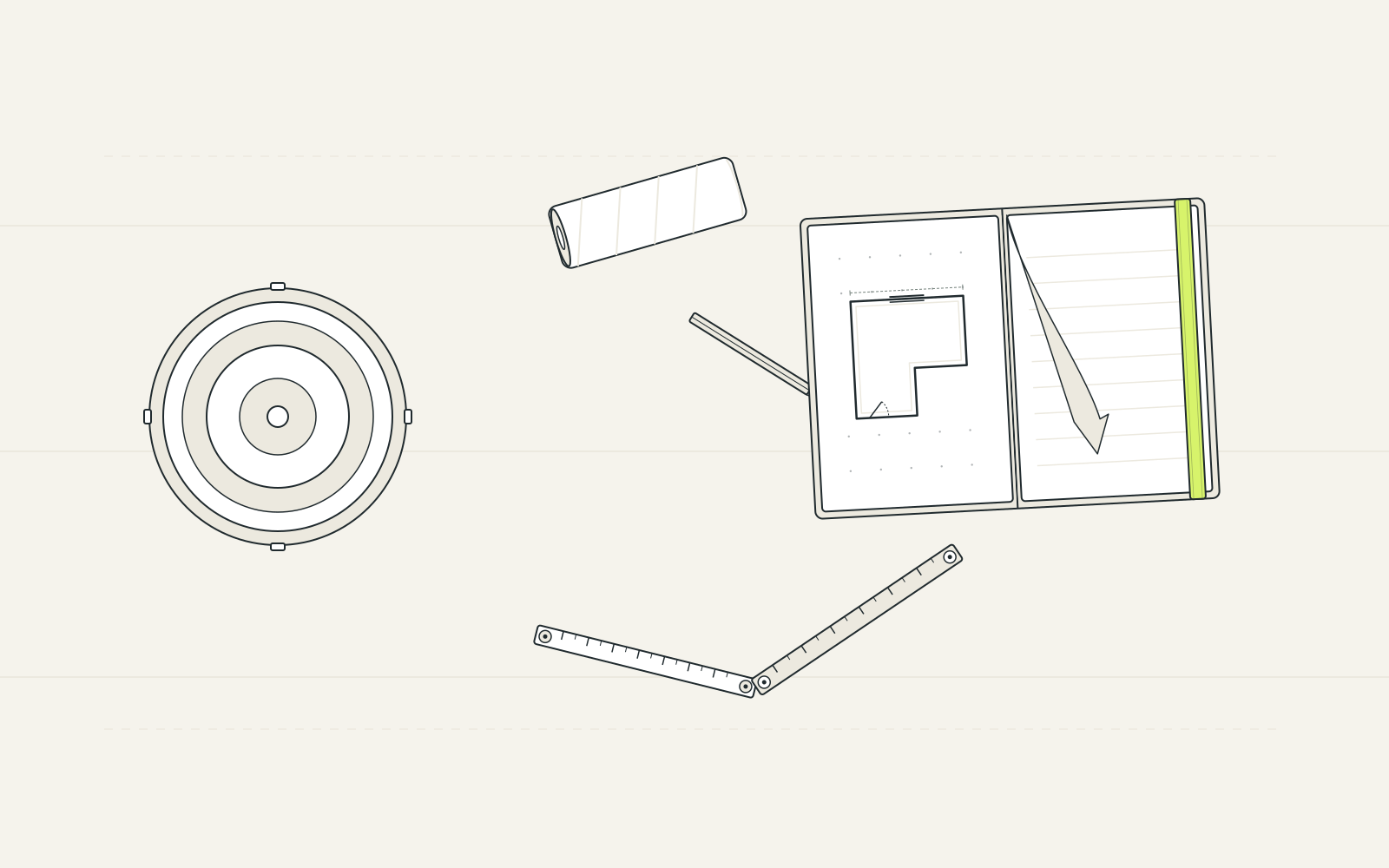
Measuring a room
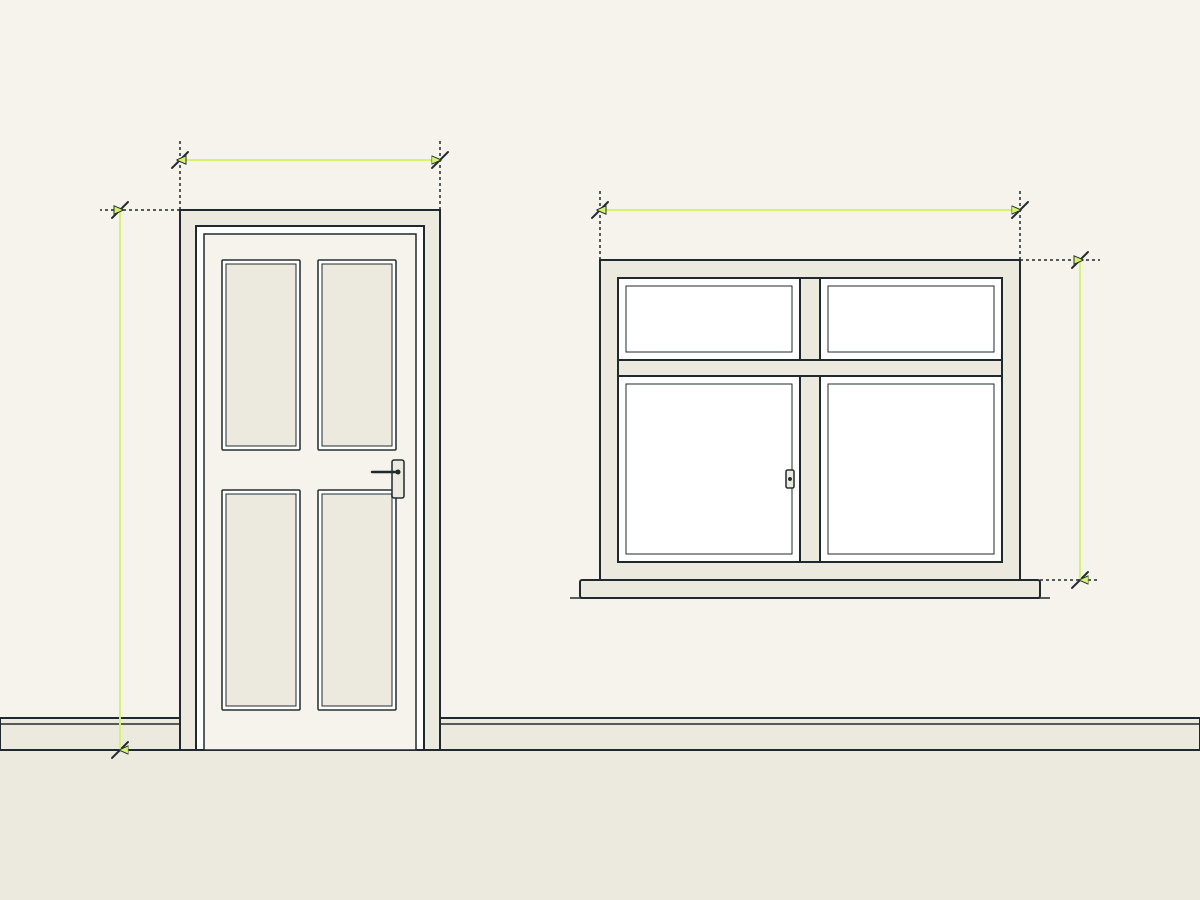
Doors and windows: what to take off, and what they add
What comes off the wall area for each door and window, what stays on the ceiling and floor, and what a doorway adds: shorter skirting and a door bar.
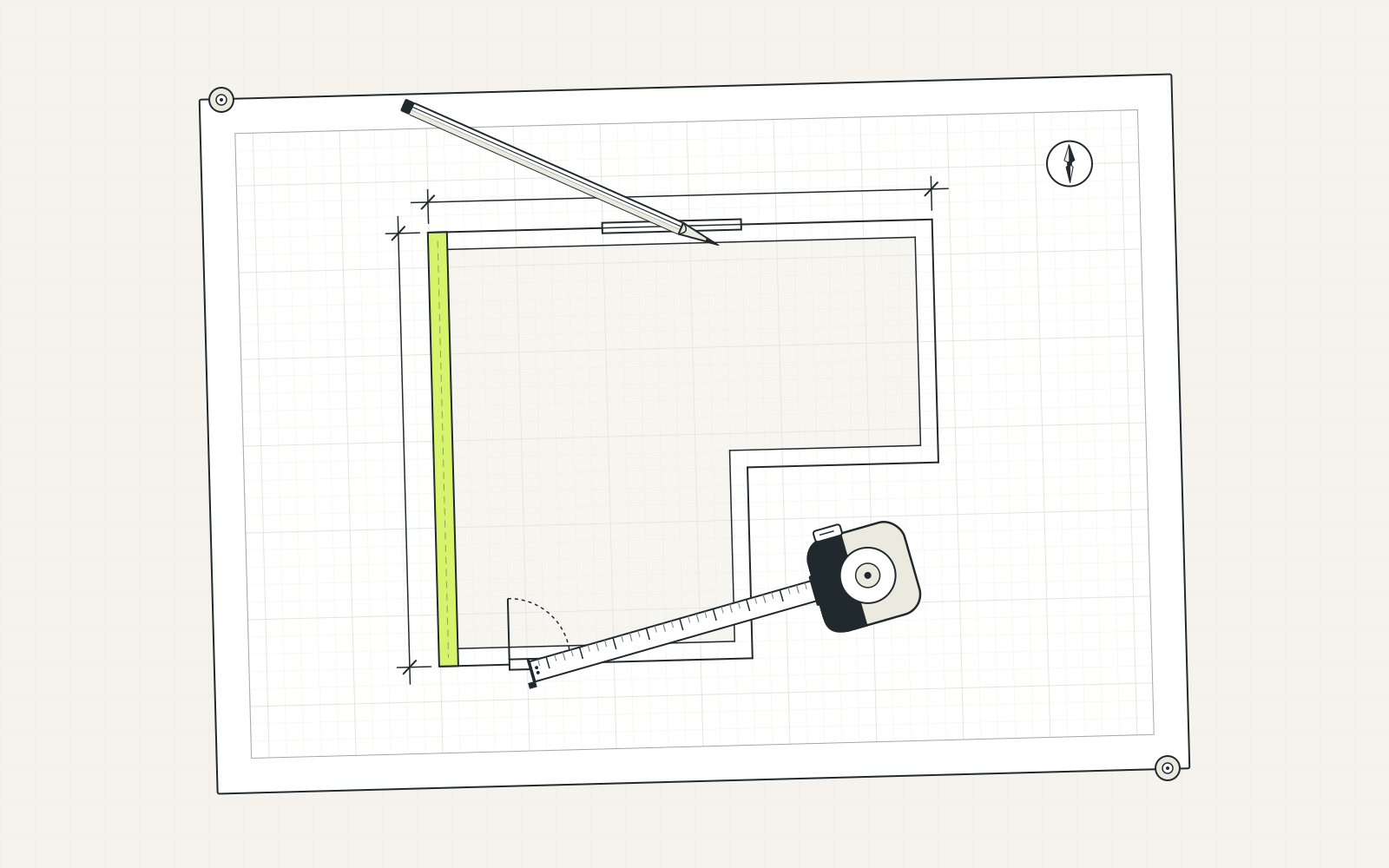
Drawing an L-shaped room and other awkward shapes
Walk the walls in turn, split the floor into rectangles for the area, and add every wall for the perimeter. A worked example for an L-shaped room.
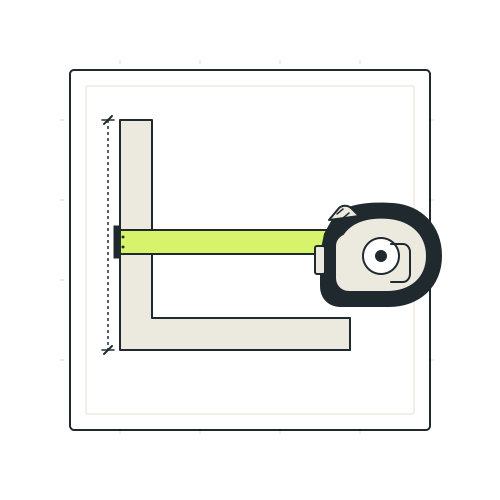
Floor area of an L-shaped room: two ways to work it out
Split the L into two rectangles, or take the missing corner off the whole rectangle. A worked example both ways, and what it means for flooring packs.
Measuring a room with a bay window, alcoves or a chimney breast
Walk the walls, then add a rectangle for a bay or take one off for a chimney breast. A worked example, and why the returns lengthen the perimeter.
Square metres and square feet for rooms: converting both ways
1 m² is 10.764 ft². How to convert room sizes both ways, turn feet and inches into metres, and why you convert the lengths before multiplying.
How to measure for skirting board, beading and scotia
Skirting, beading and scotia run round the room less the doorways. How to measure the run, turn it into lengths, and allow for joints and corners.
Paint
How to measure a room for paint
How to take the three measurements a paint estimate needs, note the doors and windows, and cope with chimney breasts and awkward rooms.

How much paint do I need?
Area times coats, divided by coverage, plus a little for waste, then rounded up to real tins. A full worked example for one room, walls and ceiling.
Paint coverage explained: m² per litre, per coat
Coverage is how far one litre goes in one coat. It changes a paint estimate more than anything else, and it comes from the tin, not from a calculator.
What you need to paint a room: the complete checklist
Everything on the list for painting a room: paint, preparation, tools and safety kit, which items every room needs and which depend on the walls.
Painting a ceiling: how much paint and what else to buy
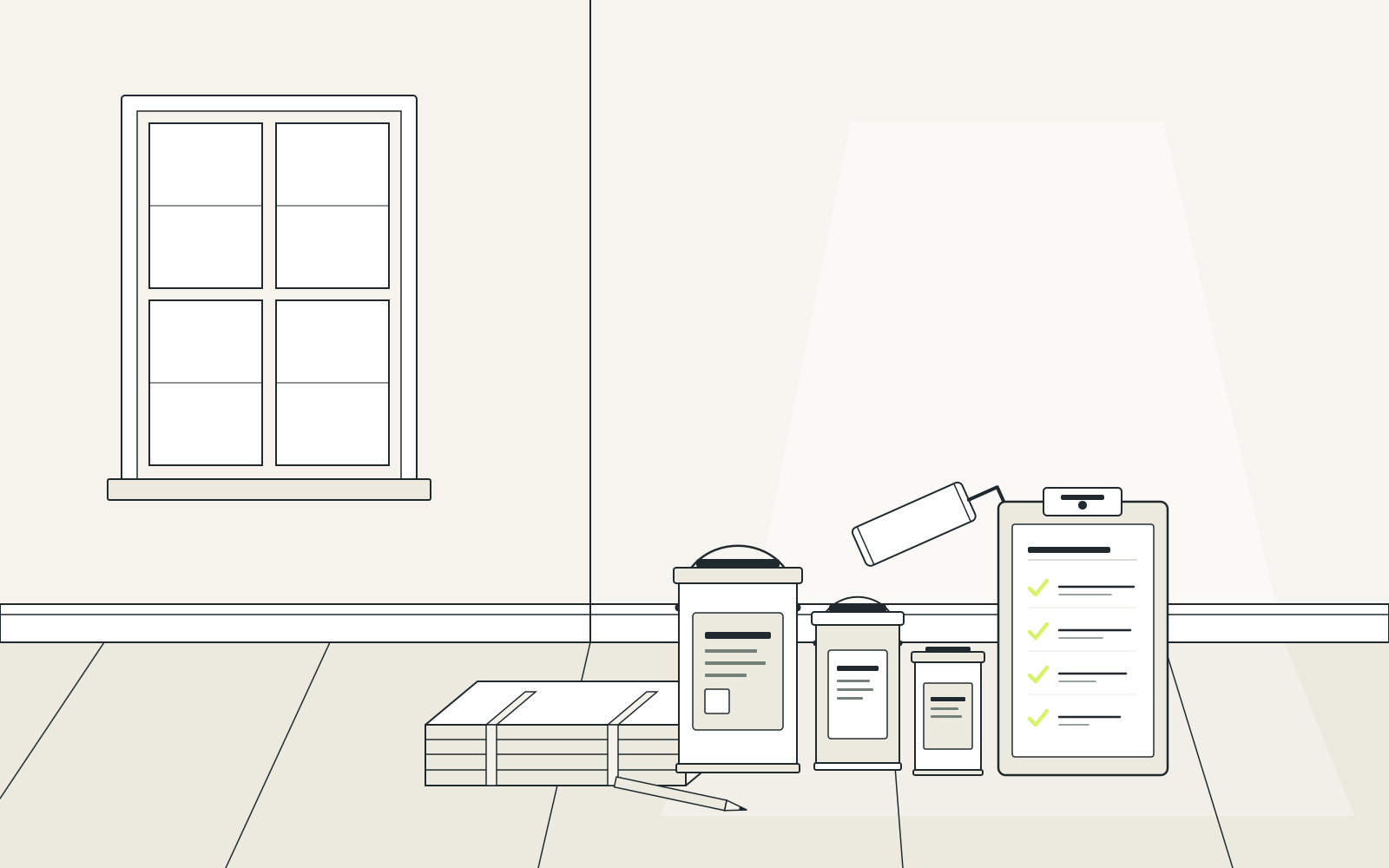
A flat ceiling has the same area as the floor. How much ceiling paint to buy, a worked example in whole tins, and the tools a ceiling adds.
Preparing walls before painting
Paint holds on a clean, sound, dry wall. What the basic preparation list is, and how bare plaster, stains, damp, flaking paint and gloss each change it.
Painting new plaster: mist coat, primer and how many coats
Bare plaster soaks up paint, so it needs a mist coat or a primer-sealer first. When to start, how many coats, and how it changes what you buy.
Wallpaper
How many rolls of wallpaper do I need?
Count drops, not square metres: drops per wall from the roll width, drops per roll from the length and pattern repeat, then whole rolls.
Tiling
How many tiles do I need for a floor or a wall?
The area to tile, plus an allowance for cuts, over what one box covers, rounded up. Worked examples for a floor, a wall to 1.2 m and a wall to the ceiling.
Flooring
Measuring for laminate flooring
Measure the floor, add an allowance for cuts, divide by the pack's coverage and round up. A worked example, and why the pack size decides the count.
How many packs of flooring do I need?
Floor area, plus an allowance for cuts, divided by the coverage on the pack and rounded up. A worked example, a quick table, and two pack sizes.
Wastage allowance explained: why 10%, and when to allow more
The extra you buy for cuts and touch-ups: where the 10% starting figure comes from, when to allow more, and why whole packs usually matter more.
Underlay and damp-proof membranes: what to check first
Whether you need underlay, and a moisture barrier under it, depends on the flooring and the subfloor. What to look for on the pack before you buy.
Skirting and architrave
How much skirting and architrave do I need?
One piece of skirting per wall and two legs and a head per door, cut from whole lengths. Why the perimeter alone comes up one length short.
Comparisons and worked examples
Matt emulsion compared: what the tins say about coverage and coats
Ten matt emulsions side by side: the coverage, coats, tin sizes, drying times and cleaning claims their makers publish, and the litres one room needs.
2.5 litre or 5 litre tin: which costs less?
How the pack optimiser chooses between one 5 litre tin and two 2.5 litre tins, and why the litres you will use matter more than the price per litre.
Wallpaper paste: how many rolls does a packet hang?
What four makers say a packet of paste hangs, paper type by paper type, and how many packets the wallpaper calculator's example room needs.
Laminate, vinyl or engineered wood: what changes on your list
What six makers say in their installation guides and pages about underlay, a moisture layer, the expansion gap and waste for laminate, vinyl and wood.
Planning the job
Painting and a new floor in the same room: which to do first
The usual order is to prepare and paint first and lay the new floor last. Where the skirting fits in, and what the flooring's instructions decide.